 Image 1 of 2
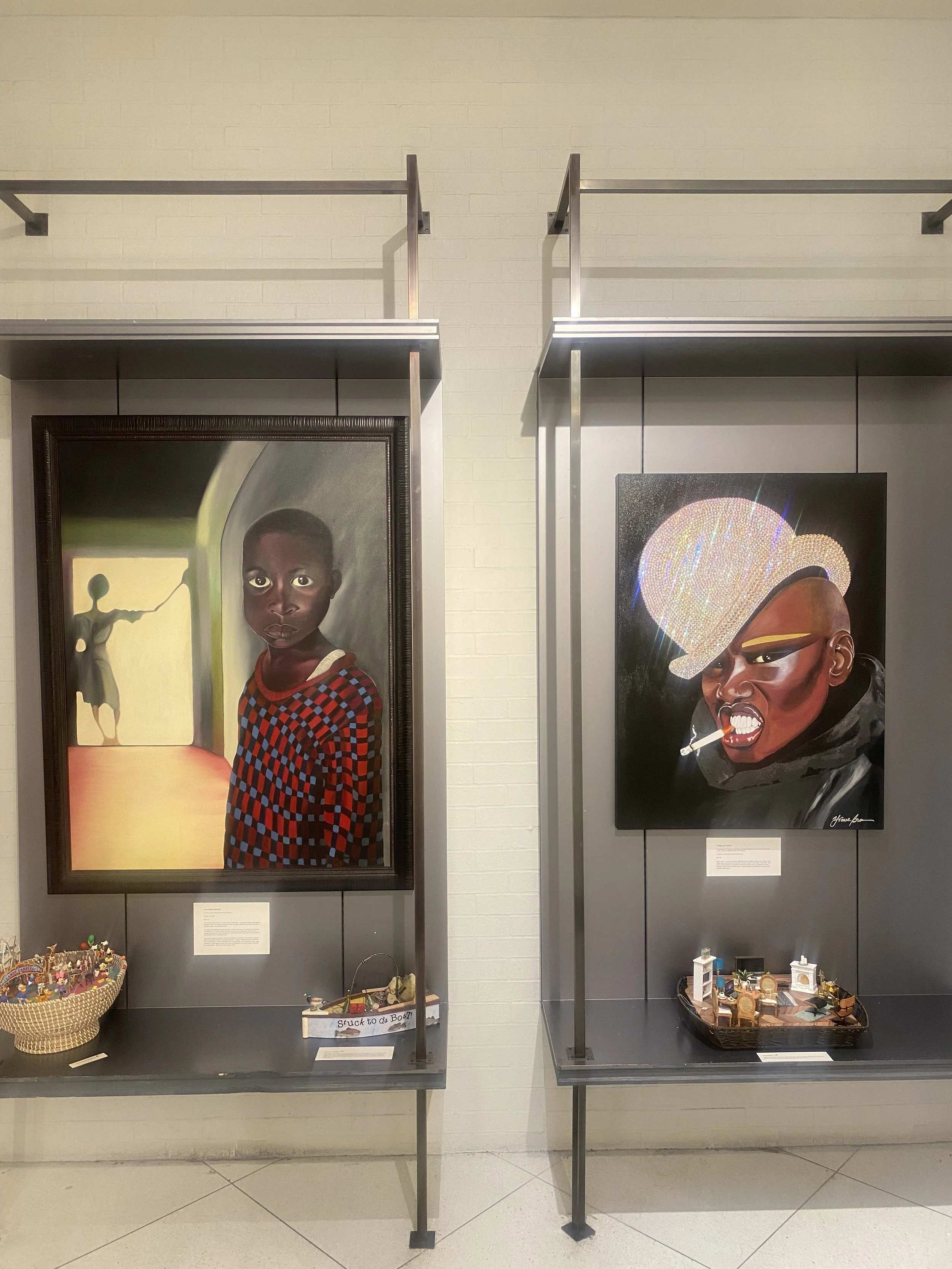 Image 2 of 2
Proverbs 31:28 Her children rise up and call her blessed…
Acrylic on canvas
40 X 50
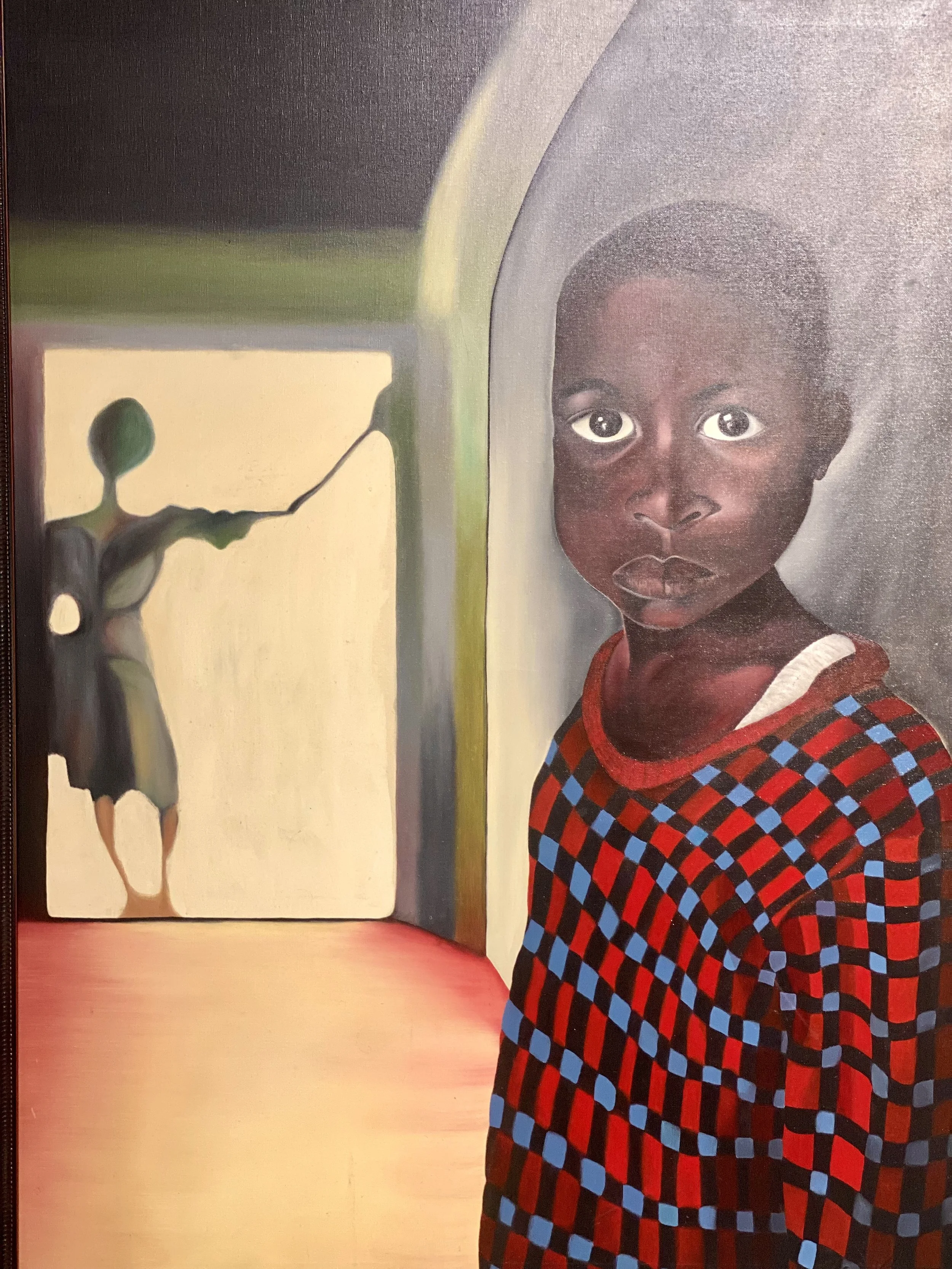
This painting should read as a quiet study of attention — a domestic, artful conversation between maker and witness, rendered simply but with deliberate painterly choices that let light, gesture, and material speak.
A gazing child, paintbrush poised between curiosity and focus. The mother is not shown in detail but as a shadow. Where the boy meets the long silhouette maternal shape, an impasto marking their quiet meeting: her watchfulness beside his making then guided by the shadow back to her unseen face.
The mood is quiet and tender, neither sentimental nor theatrical. The shadow suggests protection and observation rather than control — a patient presence that respects the boy’s vulnerability. Color choices keep the scene intimate: warm neutrals for the room’s familiarity, cooler blues and reds in the boy’s clothing and the paint smudges that map his concentration. This was me once upon a time.
Proverbs 31:28 Her children rise up and call her blessed…
Acrylic on canvas
40 X 50
This painting should read as a quiet study of attention — a domestic, artful conversation between maker and witness, rendered simply but with deliberate painterly choices that let light, gesture, and material speak.
A gazing child, paintbrush poised between curiosity and focus. The mother is not shown in detail but as a shadow. Where the boy meets the long silhouette maternal shape, an impasto marking their quiet meeting: her watchfulness beside his making then guided by the shadow back to her unseen face.
The mood is quiet and tender, neither sentimental nor theatrical. The shadow suggests protection and observation rather than control — a patient presence that respects the boy’s vulnerability. Color choices keep the scene intimate: warm neutrals for the room’s familiarity, cooler blues and reds in the boy’s clothing and the paint smudges that map his concentration. This was me once upon a time.